

By Tim Johnston
KATA
ANANKU
Ananku is a Kata from Okinawa Karate. Its history in Okinawa Martial Arts is rather short in comparison to other kata. Ananku was composed by Chotoku Kyan (1870 – 1945) who was an influential Karate Master who was famous for his Karate skills and unique life story which makes it unique and special.
Ananku Kata tends to be one of the first Black Belt Katas taught to students in many Shorin-Ryu Karate Schools. Ananku is also the first Shorin/ Matsubayashi-ryu Kata to start with a centered movement blocking to both sides of the body. One could argue that this Kata introduces Double Downward/Lower Forearm Blocks. In this Kata you don’t go in four directions. You only go in two directions.
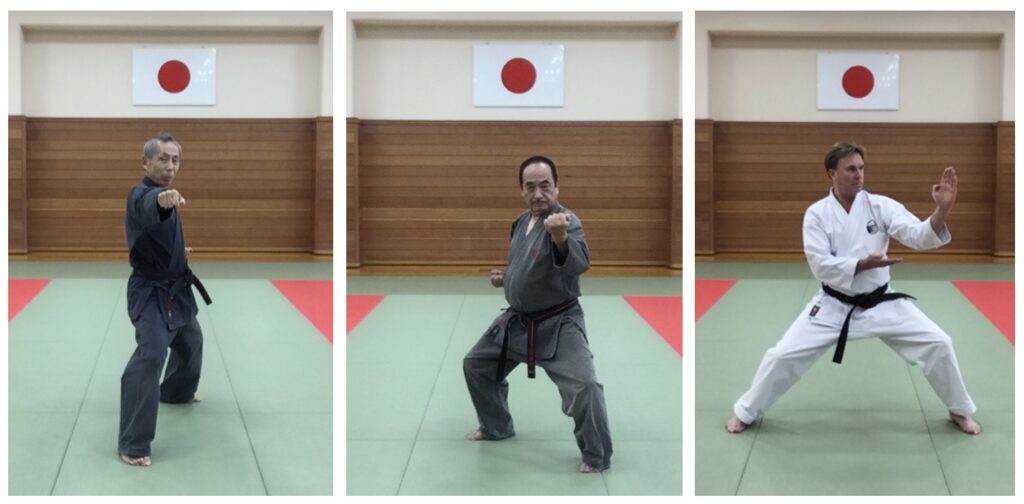
WANSHU
Is the name of several Katas in many systems of Karate including Isshin-ryu, Shotokan, Wado-ryu etc. The name Wanshu in Mandarin means “Excellent wrist” and refers to a typical technique of this form.
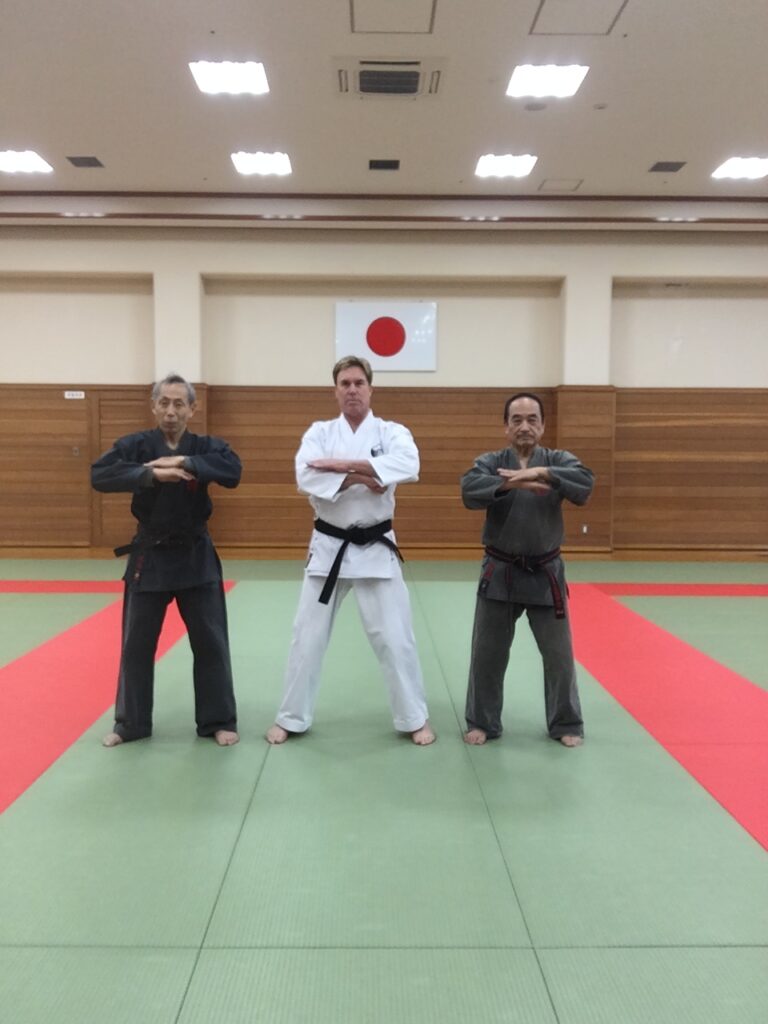
The other way of writing this Kata means “Wang’s Series (or form)” and refers to the name of the Diplomat Wang (1621-1689) Wang was the leader of a large ambassadorial mission from China sent from the Qing Government in 1683 to the village of Tomari. A poet, Calligrapher, Diplomat and Martial artist in the Shaolin tradition of Fujian White Crane.
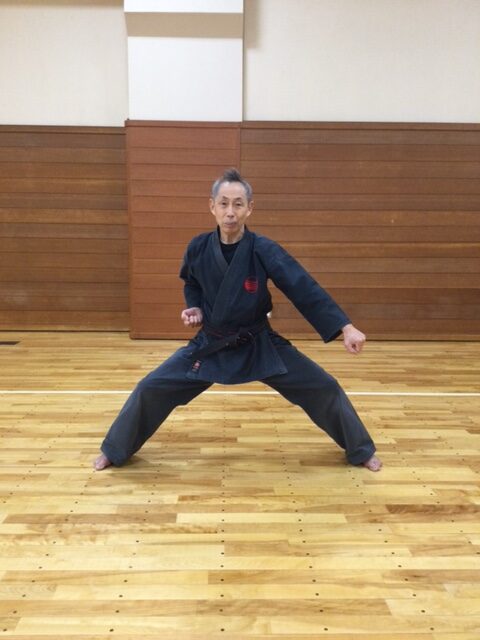
This Kata is practiced in various Korean styles of Martial arts, such as Tang Soo Do and Soo Bahk Do. Wanshu is rather short but technically a difficult Kata, much different than the Kata Seisan or Ananku. Many of the techniques are with blocks and canters made simultaneously. Wanshu has been traced back to 1695 which makes it about 300 years old.
SEISAN
Literally means ’13’ some people refer to the Kata as 13 hands, ’13 fists’, 13 techniques, 13 steps or even 13 killing positions. Seisan is thought to be one of the oldest Kata and different versions are practiced in different styles of Karate. In my School we study this Kata from Ni-dan. (Second Black Belt)
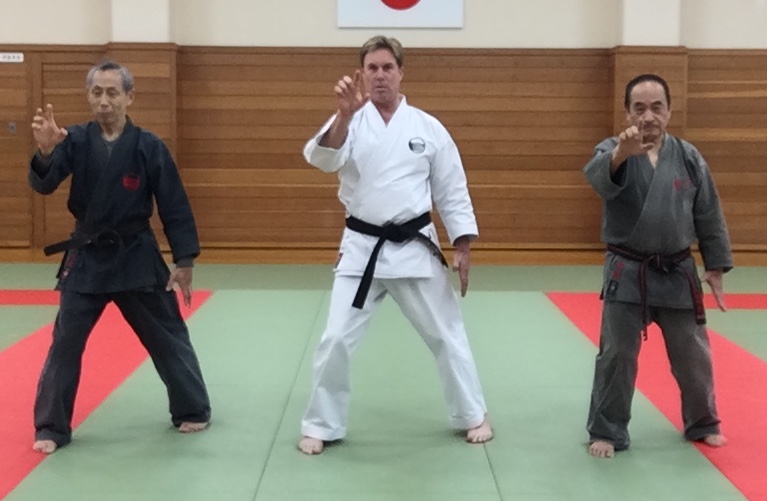
Seisan is thought to be one of the oldest Kata being quite spread among other Nahata schools.
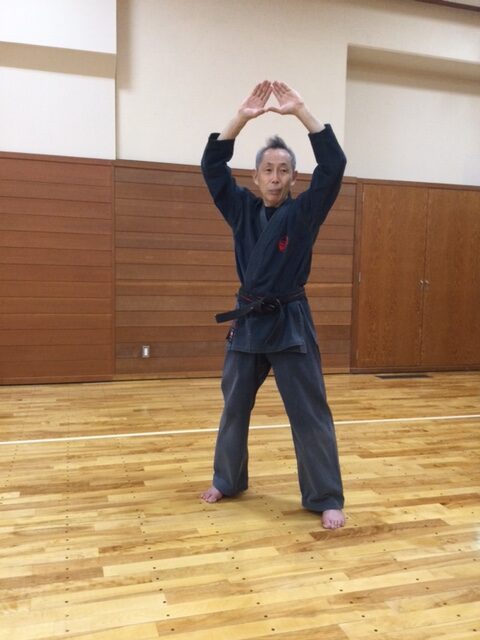
Due to it’s difficulty, this Kata is often reserved for advanced students.
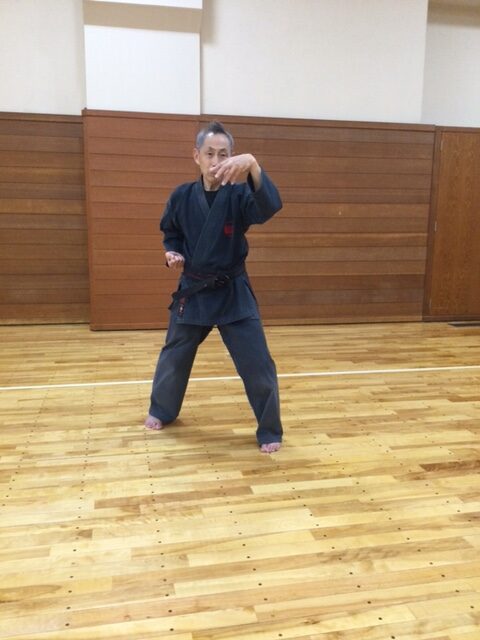
PASSAI also known as BASSAI
Is the name of a group of Kata practiced in different styles of Martial Arts, including Karate and various Korean martial Arts including Taekwando, Tang Soo Do and Soo Bahk Do, there are several versions of this Kata. This Kata is generally known as Passai in Okinawan styles of Karate and Bassai in Japanese styles.
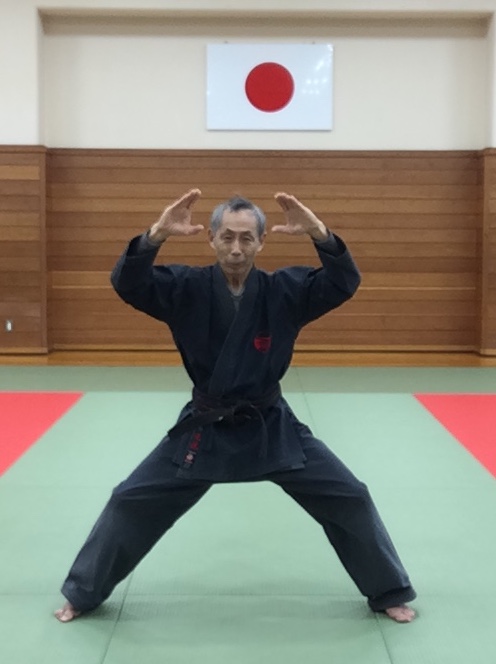
This Kata’s focus is on the idea of changing disadvantage into advantage by strong and courageous response, switching blocks and differing degrees of power.
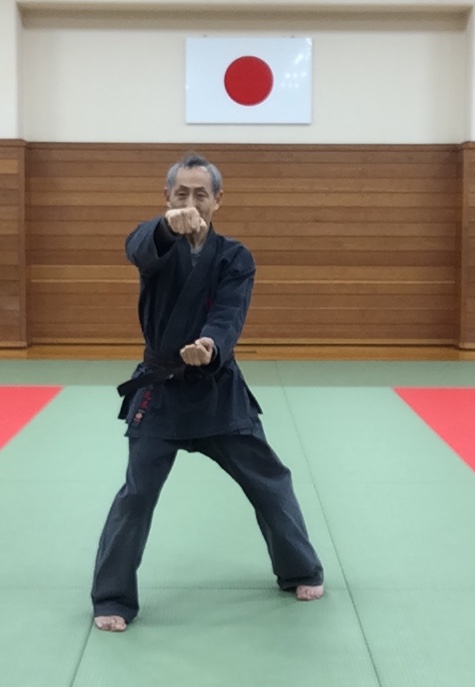
The feeling of Kata should be precise, with fast execution of technique and attention given to appropriate balance between power and speed.
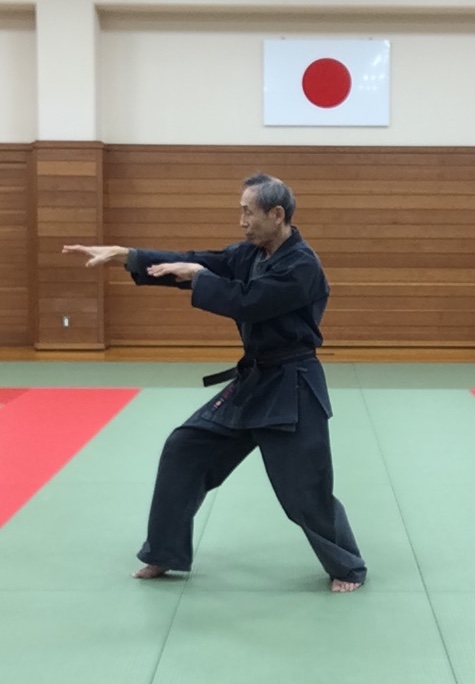
In our School this Kata is Practice from Ni-dan to San Dan. It focuses on breathing, balance, stance and looks very cool in it’s last sequences of the Kata.
It has been an honor to train and research the history of Karate that branched out from Okinawa and eventually spread all over Japan and now all over the world.
Author: Tim Johnston
Thanks for reading & watching, we hope you enjoyed it, please LIKE, SHARE and don’t forget to SUBSCRIBE to World of Martial Arts Television for more great content!!